Print This Recipe


Print Friendly and PDF
Showing posts with label seasonings. Show all posts

Thursday, March 9, 2023

Lemon Pepper Garlic Salt

Salt Preserving! There are a host of ways to use salt. I have several ways that I used it, but this recipe is a quick one that only takes an hour or so to complete, start to finish. I decided to infuse salt with citrus and herbs. 


  1. 1 lemon
  2. 2-4 cloves garlic*
  3. 1/4 tsp course black pepper, or more to taste
  4. 1 cup kosher salt

  1. Zest lemon in a bowl. Mix salt in with the lemon.
  2. Juice the lemon and add to the salt. Run the garlic through a garlic press and add it to the salt also. Mix the salt, lemon zest, lemon juice and garlic. Use a fork or your fingers to work the salt as much as possible.
  1. Preheat the oven to 170 degrees. Pour the lemon salt evenly in a shallow oven-proof dish, lined with parchment paper. Place in the oven for about an hour to dry out the salt. (When it's done, it will be rock hard with no moisture left.) Prop the oven door open with a wooden spoon to provide ventilation for proper drying.
  2. Wait for the salt to cool and use a fork, wooden spoon or your fingers to break up salt.
  3. Store the salt in small jars.
*I use 2 large cloves or 4 small, depending on their size and the strength of garlic you desire. Add or subtract the amount you want.


Saturday, July 27, 2013

Onion Soup Mix... for Pot Roast


I wanted to make a pot roast using onion soup mix and my pickled garlic, but I didn't have any mix left in the pantry. So, I made some myself. After searching the web and consolidating the results, I came up with this one...

2 tablespoons minced, dried onion
1 teaspoon onion powder
4 1/2 teaspoons beef bouillon granules
1/4 teaspoon black pepper

Mix together and store in a zip-loc bag.
Makes the equivalent of one package of soup mix.

I followed my usual method for my pot roast... except for the garlic. I used my pickled garlic this time.


1 small roast (able to fit in a crock pot)
1 pack of onion soup mix
1/2 cup (or so) water
6 cloves pickled garlic, sliced thin

Add to the crock pot and cook on low for about 8 hours.


I went to put it up after everyone ate... this is all that was left.
I guess the pickled garlic was pretty good! LOL


Wednesday, May 9, 2012

Frying Chicken Breasts for Sandwiches...

I recently did a post on Fried Chicken Cutlets for chicken club sandwiches. Last night, I cooked them again and photographed the process. Click on the link above for the full recipe.


To begin with, I cut the bottom (narrowest) end of the breast off and then split the upper part of the breast in half.


I placed each piece, on at a time, in a plastic bag
and pounded them out...

... to about this size.

I covered them generously with kosher salt and red pepper.
Don't worry, they won't be too salty or hot. It just adds flavor!

Then soaked them for a couple of hours in a cup of buttermilk.

Wrapped and ready for the frig...

 I went back to the shake n bake method...
put the flour, bread crumbs and seasonings in the bag,
add the chicken and shake!

Frying up real nice... 
don't crowd the chicken or it will boil and loose it's crust! 

All done! 

Mine became a sandwich... Elliott ate his plain :-)

Monday, April 16, 2012

Beaufort Stew or Frogmore Stew?


A while back, I was asked if I had any Gullah Recipes. If you don't know what Gullah is, it's an African-American culture that took root soon after the days of slavery. The Gullah settled mainly in the islands along the shores of South Carolina and Georgia, among them: Edisto Island, Coosaw Island, Daufuskie Island, and St. Helena Island. This gave them privacy to preserve their culture and customs; like basket weaving, cultivating rice, trapping and trading especially shrimp.

When I worked for a trucking company in the '90s, I had a driver that was from the islands around Edisto. His 'handle' on the radio was 'Geechee'. This is a word to describe the Gullah dialect, also a word to descibe perfectly how he talked.

On the island of St. Helena, where my Mama began a yearly pilgrimage many years ago, you can find the Gullah settlement of Frogmore. It is a simple crossroads with a two-story white country store on one side and a post office on the other. This is the birthplace of Frogmore stew, a boil of assorted seafood, pork sausage, and corn on the cob. My family in Rimini, SC, has always called this a Beaufort Stew. There is the Louisiana Crawfish Boil and the Lowcountry Boil. The names go on forever, and the fight for the origin of each name does also. I believe that when you get to the 'outer banks' or islands of any southern state, if you look hard and deep enough, you will find the deep hidden cultures of time gone past.

Here is my families way of doing this classic Gullah inspired dish!

•2 crab boil seasoning bags (or more to taste)
•several lemons, halved (optional)
•redskin potatoes (depending on size, 3 or more per person)
•spicy smoked sausage, cut into 1-inch slices (¼ pound per person)
•fresh corn, broken into halves (1 ½ ears per person)
•sweet onions, whole (depending on size, 1 or more per person)
•shrimp (½ pound per person)
•crawfish (½ pound per person) If Elliott's Landing has any left, they go fast!

This is usually done outside over an intense heat such as a propane burner. That's the only way to cook this much food all together! Fill a large steamer pot halfway with water. Add crab-boil seasoning. Add halved lemons. When the seasoned water comes to a boil, add redskin potatoes and onions and boil for 20 minutes; then add 2" slices of spicy smoked sausage and boil for 5-10 minutes. Add the corn and boil another 5 minutes. Then add the shrimp. Cook for 3 minutes. (Don't wait for it to boil again or you will overcook the shrimp.) Drain, and pile on a table.
Serve with lots of paper towels and icy beverages, plus melted butter for the corn, cocktail sauce for the shrimp, and sour cream for the potatoes. ALSO VERY IMPORTANT: Make sure to have a bottle of killer hot sauce for the cousin who's gonna say, "Aw that ain't nothin'!" Then pour it to 'em!!!

Saturday, March 31, 2012

Sweet Italian Sausage, Onion and Potato Bake

I still have sausage in the frig from the Johnsonville Italian Sausage Party I had last weekend. So I decided to put it to good use! There really isn't a recipe... I just used the what I had on hand!
  • Sweet Italian Sausage, cut into chunks
  • Red Potatoes, cubed
  • Yellow Onion, large chopped
  • Olive Oil
  • Basil
  • Lemon Pepper
  • Garlic Powder
  • Kosher Salt
Cube the Sausage and Veggies...


 Coat with a little Oil...

Add Seasonings...


 Mix and bake at 400 degrees for about 
45 minutes stirring occasionally 
so everything gets golden brown.


Done!... and it was gooooood!


Thursday, February 23, 2012

Buttermilk Dressing


  • With this recipe, you don't need to go out and buy a $3 bottle of buttermilk to get the great flavor of buttermilk dressing. Use the old substitution of whole milk and lemon... Things we usually have on hand anyway!


  • 1 cup whole Milk
  • Zest and juice of 1/2 Lemon
  • 5 tablespoons Mayonnaise
  • 1/2 small Shallot, finely minced
  • 11/2 teaspoons House Seasoning*

  • 1 bunch Romaine Hearts, sliced
  • 1 bunch Watercress, trimmed
  • 1 bunch Radishes, thinly sliced
  • Seasoned Croutons

  • In a medium bowl, whisk together milk and lemon juice; let stand until milk thickens, about 5 minutes. Add lemon zest, mayonnaise, shallots, and house seasoning. Whisk to combine, cover and refrigerate until ready to use.
  • Place romaine, watercress and radishes in a large bowl. Add dressing and toss to combine; cover and refrigerate until ready to use. Top with Croutons and Parmesan Cheese, if desired.


*House Seasoning:
1 cup salt
1/4 cup black pepper
1/4 cup garlic powder


Mix together and pour in a shaker.


Tuesday, March 8, 2011

Chicken Creole

In honor of Mardi Gras... I had to post a creole recipe!

4 skinless, boneless chicken breast halves
salt and pepper, to taste
Creole-style seasoning, to taste
2 tbsp butter
1 (14.5 ounce) can stewed tomatoes, with liquid
1 stalk celery, diced
1 green bell pepper, diced
4 cloves garlic, minced
1 large onion, diced
1 (4 ounce) can mushrooms, drained
2 tbsp tomato paste
1 cup of chicken broth
Louisianna Hot Sauce, to taste
Cayenne pepper, to taste

Season chicken with salt, pepper, and Creole-style seasoning to taste. Pan sear the chicken in butter. Cool chicken and tear into chunks. Place chicken in a medium sauce pan. Stir in tomatoes with liquid, celery, bell pepper, garlic, onion, mushrooms, tomato paste broth, and hot sauce. Simmer for 1 hour.


Creole Seasoning

2 tablespoons onion powder
2 tablespoons garlic powder
2 tablespoons dried oregano
2 tablespoons dried basil
1 tablespoon dried thyme
1 tablespoon black pepper
1 tablespoon white pepper
1 tablespoon cayenne pepper
5 tablespoons paprika
3 tablespoons salt

In a small bowl, combine onion powder, garlic powder, oregano, basil, thyme, black pepper, white pepper, cayenne pepper, paprika and salt. Store in an airtight container.

Friday, October 8, 2010

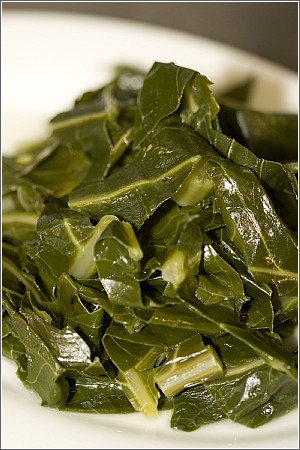
Pan Fried Catfish with Creole Sauce served in a bed of Greens

This recipe has a lot of steps, but it is not as complicated as it sounds. Give it a try and I think that you'll find that it is well worth the time! Also, the sauce can be made the day before to save time.

For Creole Seafood Seasoning:
2 tablespoons salt
2 tablespoons paprika
1 tablespoon garlic powder
1 tablespoon onion powder
1 tablespoon freshly ground black pepper
1 1/2 teaspoons cayenne pepper
1 1/2 teaspoon dried oregano, crumbled

Combine all ingredients in a small bowl and store in airtight container.

For Creole Sauce:
2 tablespoons vegetable oil
3/4 cup diced onion
1/3 cup diced green bell pepper
1/2 cup diced celery
1 large garlic clove, minced
2 cups peeled, chopped ripe tomatoes
1 1/2 cups canned chicken broth
1/8 teaspoon paprika
1 small bay leaf
Dash Tabasco
1 tablespoon cornstarch dissolved in 1 tablespoon water
1/4 cup chopped scallions

Heat oil in a heavy large saucepan over medium-low heat. Add 3/4 cup diced onion, bell pepper, celery and garlic and cook until onion is translucent, stirring occasionally, about 10 minutes. Mix in tomatoes, broth, paprika, bay leaf and Tabasco and bring to boil. Reduce heat. Stir in dissolved cornstarch and simmer until sauce thickens, stirring constantly. Season with salt and pepper. Stir in scallions. Remove bay leaf. (Can be prepared 1 day ahead. Cover and refrigerate.)

For Greens:
3 ounces bacon, chopped
1/2 cup chopped onion
8 cups torn, trimmed collards

Cook bacon in heavy large skillet over medium heat until fat is rendered. Add chopped onion and cook until bacon and onion are brown, stirring frequently, about 5 minutes. Add greens and stir until wilted, about 2 minutes. Season with salt and pepper. Keep warm.

Reheat Creole Sauce over medium-low heat.

For Fish:
2 pounds catfish fillets
Creole or Dijon mustard
Creole Seafood Seasoning

1 cup flour
1/2 cup corn meal
1 1/2 teaspoons Creole Seafood Seasoning
1/4 cup butter

Rub fish with mustard and seasoning. Put on a plate. Chill 1 hour.

Combine flour, corn meal and 1 1/2 teaspoons Creole Seafood Seasoning
on plate. Dredge fish in mixture, shaking off excess. Melt butter in heavy
large skillet over medium heat. Add fish and cook until golden brown and
cooked through, about 4 minutes per side.

Spread greens on plates. Top with fish. Spoon sauce over. Serve immediately with hot Hush Puppies.

Friday, September 10, 2010

Shrimp and Grits

*Notice in this picture that I used Italian sausage
in place of the bacon this time... it works either way!

This is wonderful basic Shrimp and Grits recipe. It is so easy and relatively quick to make. It's timed every well and by the time you finish with the gravy and shrimp, the grits are cooked well. You can add to it or change it around. I found that cooking the grits in Chicken Stock added a lot of flavor, but watch how much salt you add when using stocks.

•1 1/2 pounds medium shrimp, peeled
•1 1/2 cups stone-ground grits
•6 cups chicken stock
•1 teaspoons salt or more to taste
•1 pound Italian sausage, remove casings and crumble
•1 small onion, finely chopped
•1 garlic clove, minced
•2 tablespoons unbleached all-purpose flour
•1 cup chicken stock (more many be needed to get the consistancy you want)
•Tabasco or other hot pepper sauce

Make the grits in a large heavy saucepan, first bringing 6 cups of chicken stock, and salt to taste, to a boil. Whisk in the grits a few handfuls at a time. When you have added all the grits, reduce the heat to a very low simmer and cook over low heat for 35 to 40 minutes, stirring occasionally at first and more frequently toward the end.

While the grits simmer, get your gravy started. Fry the Italian Sausage in a medium skillet over medium heat until about done. Stir in the onion and garlic and continue cooking about 5 minutes. Sprinkle the flour over the mixture, and continue sauteing for 5 minutes longer. Stir in the stock and cook for 5 minutes longer. Remove from the heat while you finish the grits.

When the grits are thick and creamy, stir in as much butter as you wish (optional). Add a splash of hot pepper sauce and additional salt if you like. Cover the grits while you finish the gravy.

Return the gravy to medium heat and stir in the shrimp. If your gravy has formed a skin over the top, (It happens. Don't worry!) add a splash of stock and whisk for a second, then stir in the shrimp. Cook until the shrimp are opaque throughout, about 5 minutes. (I used some boiled shrimp I had left over that were cooked in Old Bay Seasoning. I didn't have to add any additional salt or pepper. They were seasoned perfectly... good shortcut!) Serve immediately, mounding the grits in large shallow bowls or on plates and covering them with shrimp and gravy.


A pretty option for serving at a
special occasion!
Lobster Gram JSH5 5 LBS OF JUMBO COOKED SHRIMP (Google Affiliate Ad)

Monday, August 30, 2010

Salt History

Salt is so simple and plentiful that we almost take it for granted.

In chemical terms, salt is the combination of a sodium ion with a chloride ion, making it one of the most basic molecules on earth. It's also one of the most plentiful: it has been estimated that salt deposits under the state of Kansas alone could supply the entire world's salt needs for the next 250,000 years.

But salt is also an essential element. Life itself would be impossible without it, since the human body requires salt in order to function properly. The concentration of sodium ions in the blood is directly related to the regulation of safe body fluid levels.

And while we're all familiar with the many uses of salt in cooking, we may not be aware that salt is used in some 14,000 commercial applications. From manufacturing pulp and paper to setting dyes in textiles and fabric, from producing soaps and detergents to making our roads safe in winter, salt plays an essential role in our daily lives.

Salt has a long and influential role in world history. From the dawn of civilization, salt has been a key factor in economic, religious, social and political development. In every part of the world, salt has been the subject of superstition, folklore, and warfare, it has even been used as currency.

Economics

As a precious and portable commodity, salt has long been a cornerstone of economies throughout history. In fact, researcher M.R. Bloch conjectured that civilization began along the edges of the desert because of the natural surface deposits of salt found there. Bloch also believed that the first war - likely fought near the ancient city of Essalt on the Jordan River - could have been fought over the city's precious salt supplies.

In 2200 BC, the Chinese emperor Hsia Yu levied one of the first known taxes. He taxed salt. In Tibet, Marco Polo noted that tiny cakes of salt were pressed with images of the Grand Khan and used as coins. Salt is still used as money among the nomads of Ethiopia's Danakil Plains.

Greek slave traders often bartered salt for slaves, giving rise to the expression that someone was "not worth his salt." Roman legionnaires were paid in salt - a salarium, the Latin origin of the word "salary."

Merchants in 12th-Century Timbuktu - the gateway to the Sahara Desert and the seat of scholars - valued salt as highly as books and gold.

In France, Charles of Anjou levied the "gabelle," a salt tax, in 1259 to finance his conquest of the Kingdom of Naples. Outrage over the gabelle fueled the French Revolution. Though the revolutionaries eliminated the tax shortly after Louis XIV fell, the Republic of France reestablished the gabelle in the early 19th Century; only in 1946 was it removed from the books.

The Erie Canal, an engineering marvel that connected the Great Lakes to New York's Hudson River in 1825, was called "the ditch that salt built." Salt tax revenues paid for half the cost of construction of the canal.

The British monarchy supported itself with high salt taxes, leading to a bustling black market for the white crystal. In 1785, the earl of Dundonald wrote that every year in England, 10,000 people were arrested for salt smuggling. Protesting British rule in 1930, Mahatma Gandhi led a 200-mile march to the Arabian Ocean to collect untaxed salt for India's poor.

Religion

Salt has long held an important place in religion and culture. Greek worshippers consecrated salt in their rituals. Jewish Temple offerings included salt; on the Sabbath, Jews still dip their bread in salt as a remembrance of those sacrifices. In the Old Testament, Lot's wife was turned into a pillar of salt. Author Sallie Tisdale notes that salt is as free as the water suspending it when it's dissolved, and as immutable as stone when it's dry - a fitting duality for Lot's wife, who overlooks Sodom to this day.

Covenants in both the Old and New Testaments were often sealed with salt: the origin of the word "salvation." In the Catholic Church, salt is or has been used in a variety of purifying rituals. In fact, until Vatican II, a small taste of salt was placed on a baby's lip at his or her baptism. Jesus called his disciples "the Salt of the Earth." In Leonardo DaVinci's famous painting, "The Last Supper," Judas Escariot has just spilled a bowl of salt - a portent of evil and bad luck. To this day, the tradition endures that someone who spills salt should throw a pinch over his left shoulder to ward off any devils that may be lurking behind.

In Buddhist tradition, salt repels evil spirits. That's why it's customary to throw salt over your shoulder before entering your house after a funeral: it scares off any evil spirits that may be clinging to your back.

Shinto religion also uses salt to purify an area. Before sumo wrestlers enter the ring for a match - which is actually an elaborate Shinto rite - a handful of salt is thrown into the center to drive off malevolent spirits.

In the Southwest, the Pueblo worship the Salt Mother. Other native tribes had

significant restrictions on who was permitted to eat salt. Hopi legend holds that the angry Warrior Twins punished mankind by placing valuable salt deposits far from civilization, requiring hard work and bravery to harvest the precious mineral.

In 1933, the Dalai Lama was buried sitting up in a bed of salt.

Today, a gift of salt endures in India as a potent symbol of good luck and a reference to Mahatma Gandhi's liberation of India, which included a symbolic walk to the sea to gather tax-free salt for the nation's poor.

Warfare

The effects of salt deficiency are highlighted in times of war, when human bodies and national economies are strained to their limits.

Thousands of Napoleon's troops died during the French retreat from Moscow due to inadequate wound healing and lowered resistance to disease - the results of salt deficiency.

Salt production facilities in Saltville, Va., Virginia's Kanawha Valley and Avery Island, Louisiana, were early targets of the Union Army. The North fought for 36 hours to capture Saltville, Va., where the salt works were considered crucial to the Rebel army - so crucial that Confederate President Jefferson Davis offered to waive military service to anyone willing to tend coastal salt kettles to supply the South's war effort. In addition to dietary salt, the Confederacy needed the precious mineral to tan leather, dye cloth for uniforms and preserve meat.